
Resin Statue or 1/6 Figure: Which Format Fits the Product?
Compare resin statues and 1/6 figures by product promise, posing, clothing, accessories, sample approval, packaging and owner interaction before development begins.
MANCHENG INSIGHTS
Practical guides on materials, engineering, prototyping, production and quality control for collectible product teams.
Compare resin statues and 1/6 figures by product promise, posing, clothing, accessories, sample approval, packaging and owner interaction before development begins.
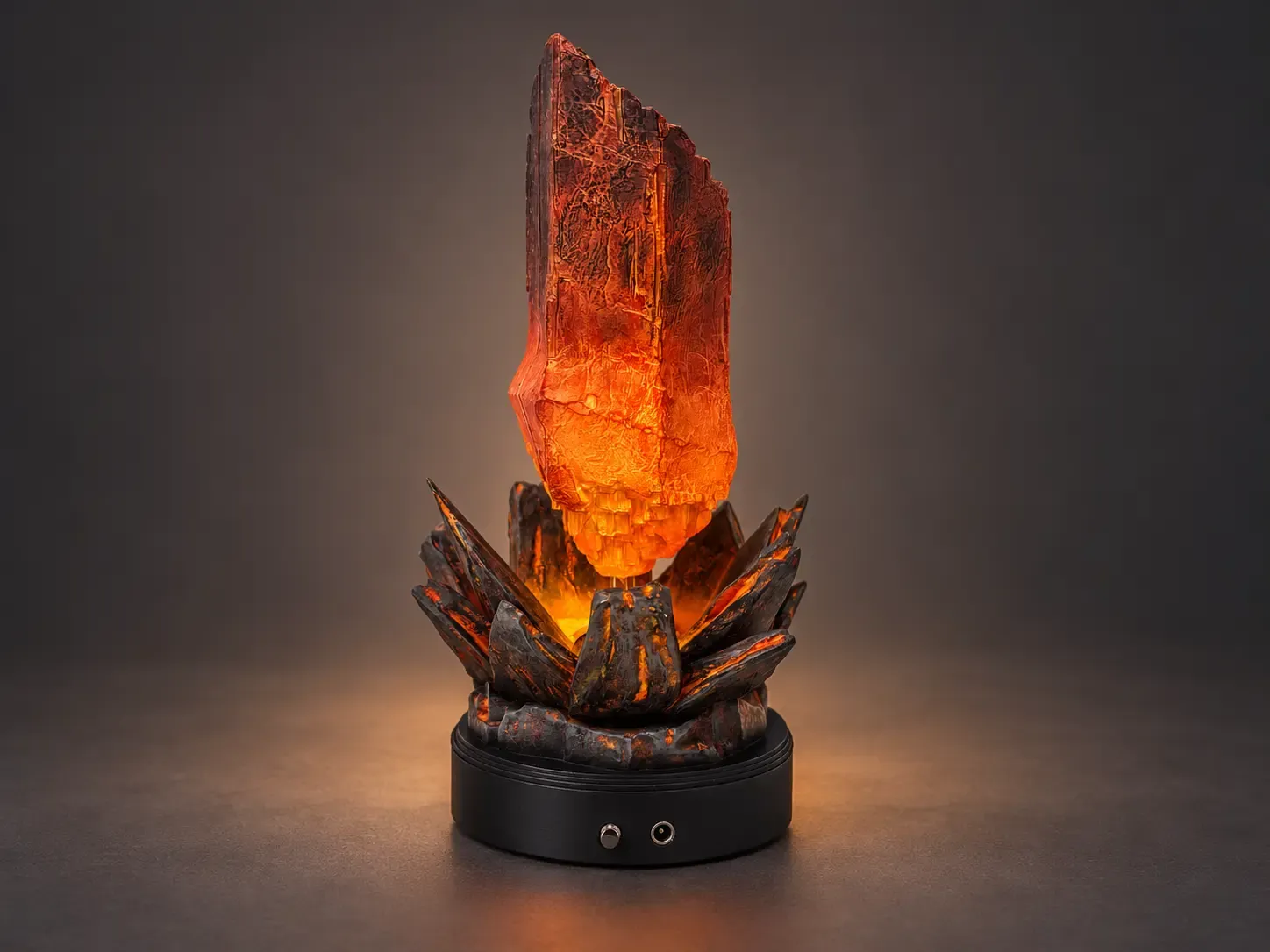
Choose USB or battery power for an LED collectible by reviewing display location, cable routing, control access, battery replacement and owner setup.
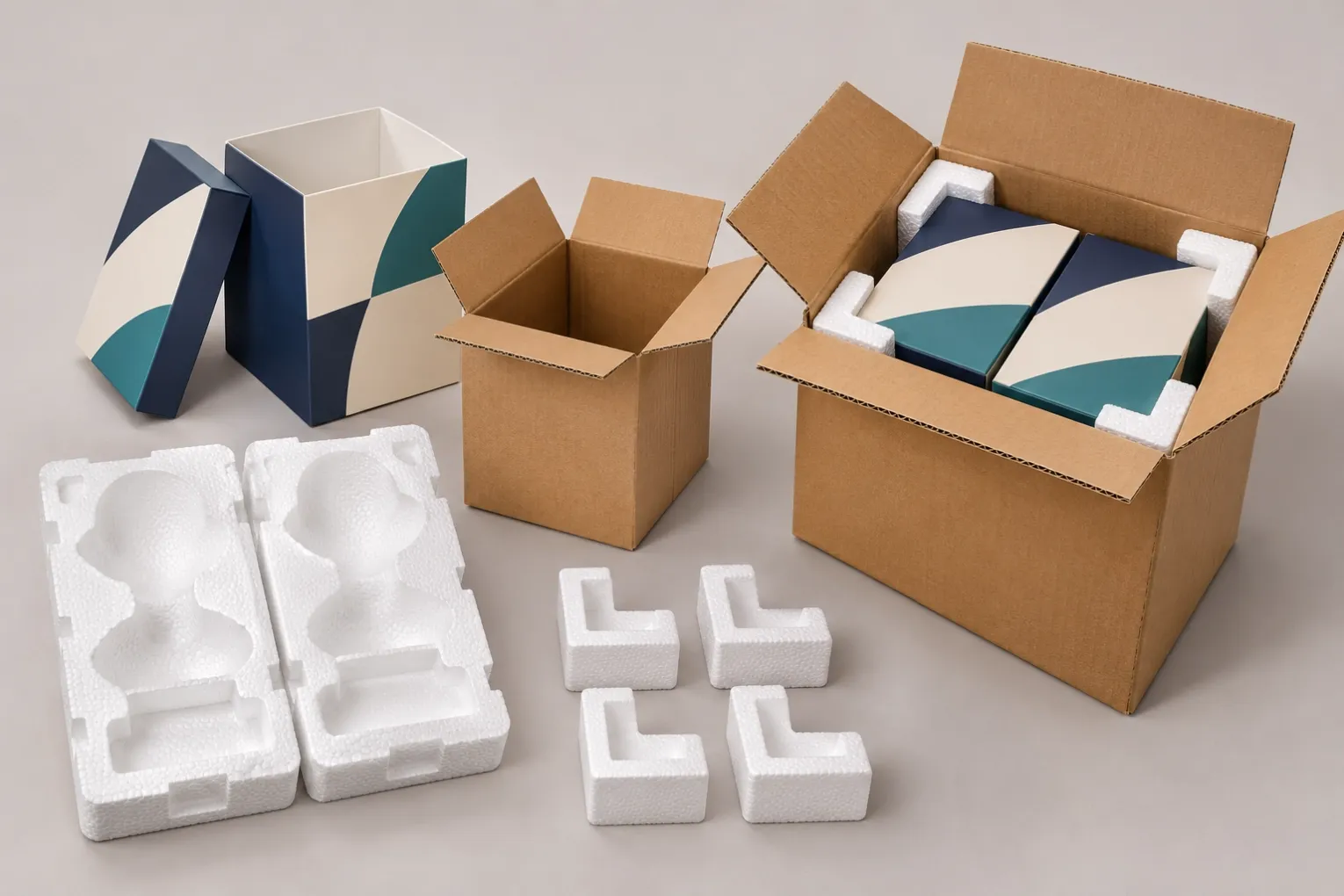
Decide whether collector packaging is part of the product by defining its role, acceptable cosmetic condition, distribution channel and approval standard before production.
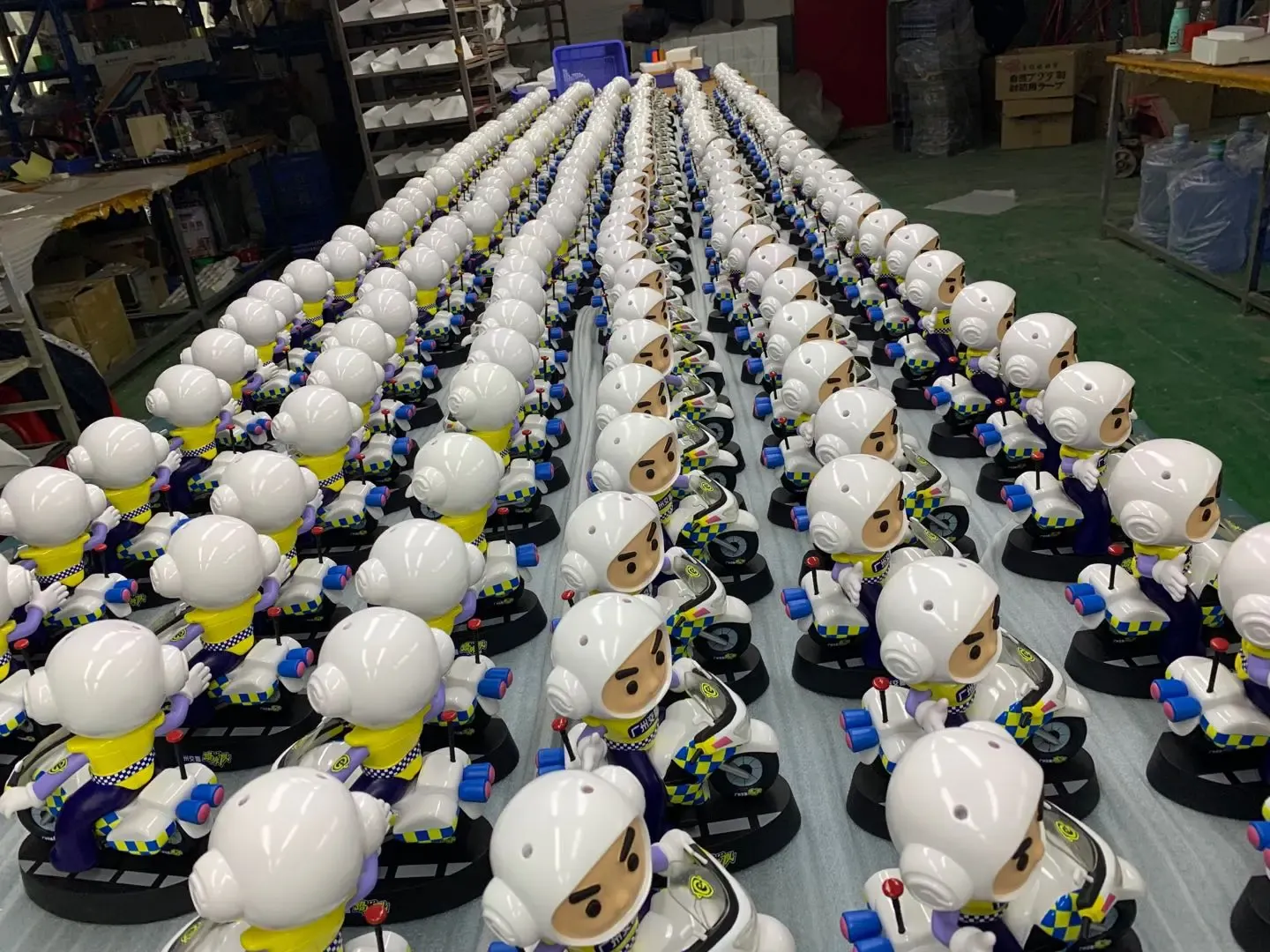
Define collectible cosmetic defect acceptance with observable references, viewing conditions and clear rework decisions instead of relying on subjective “looks good” judgments.
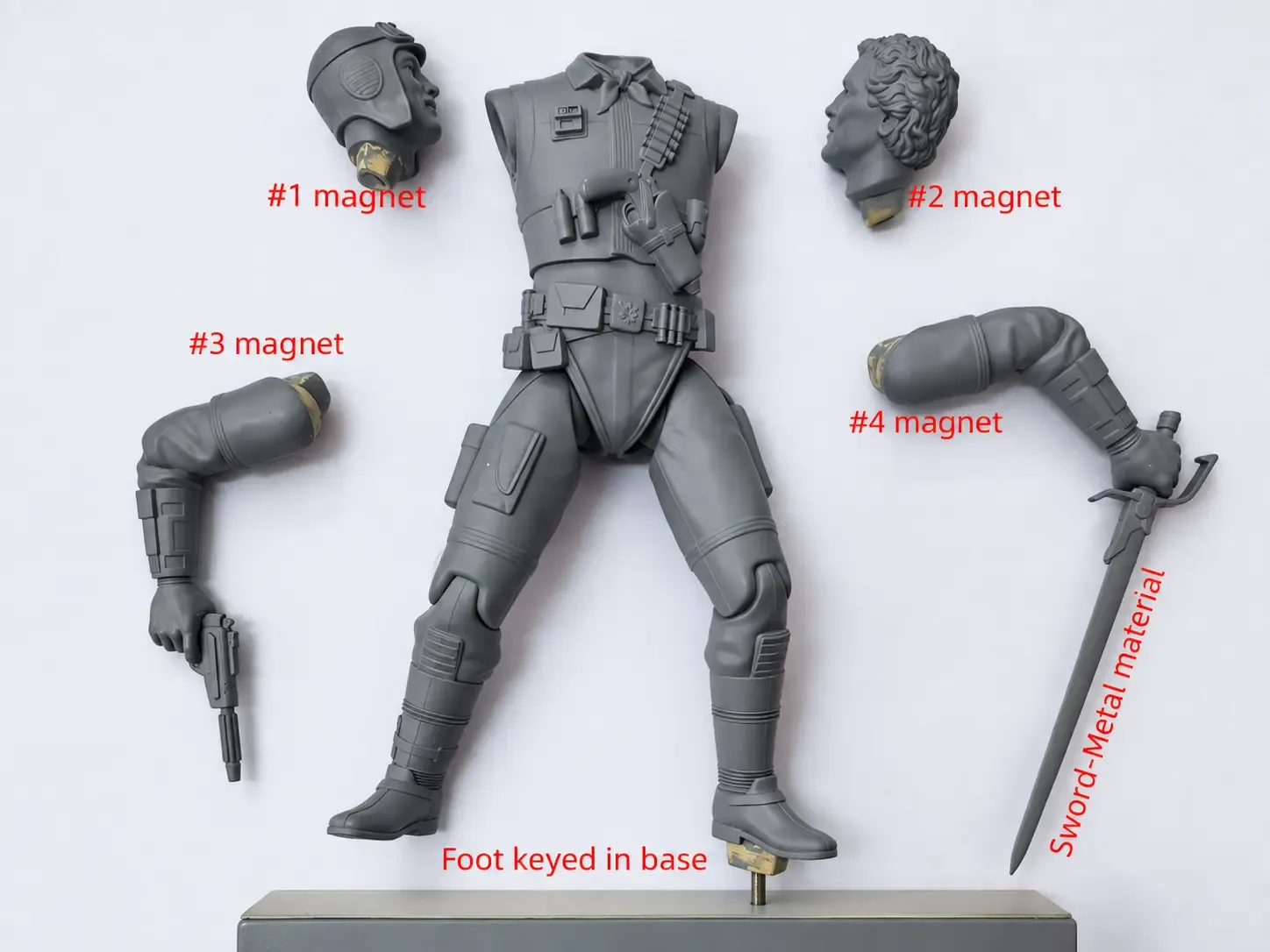
A collectible prototype should answer defined questions about form, fit, assembly, finish or function. Learn how to separate those approvals before tooling and production.
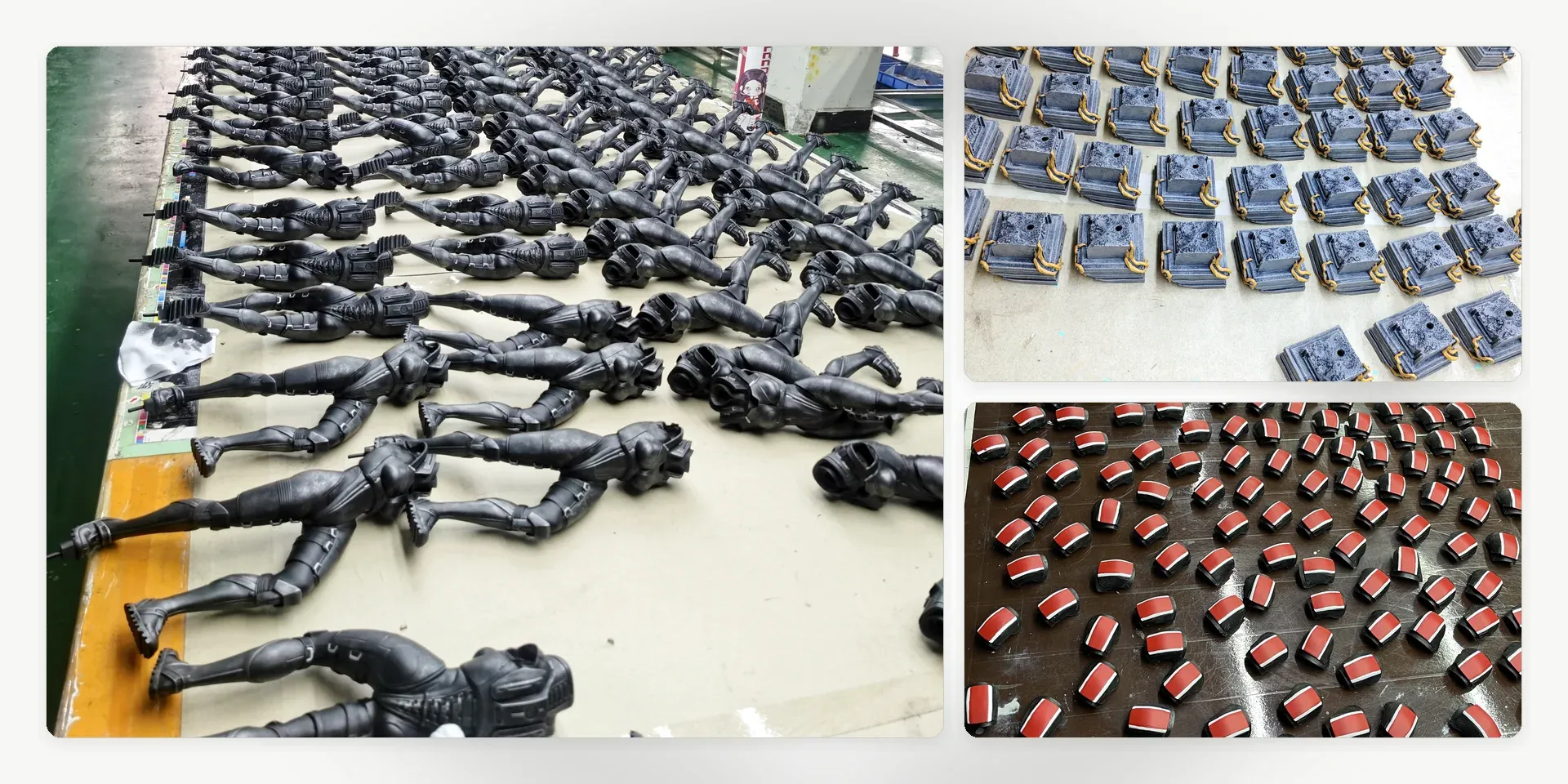
When a collectible manufacturer’s MOQ exceeds launch demand, identify the constraint behind it before changing quantity, specification, packaging or production strategy.
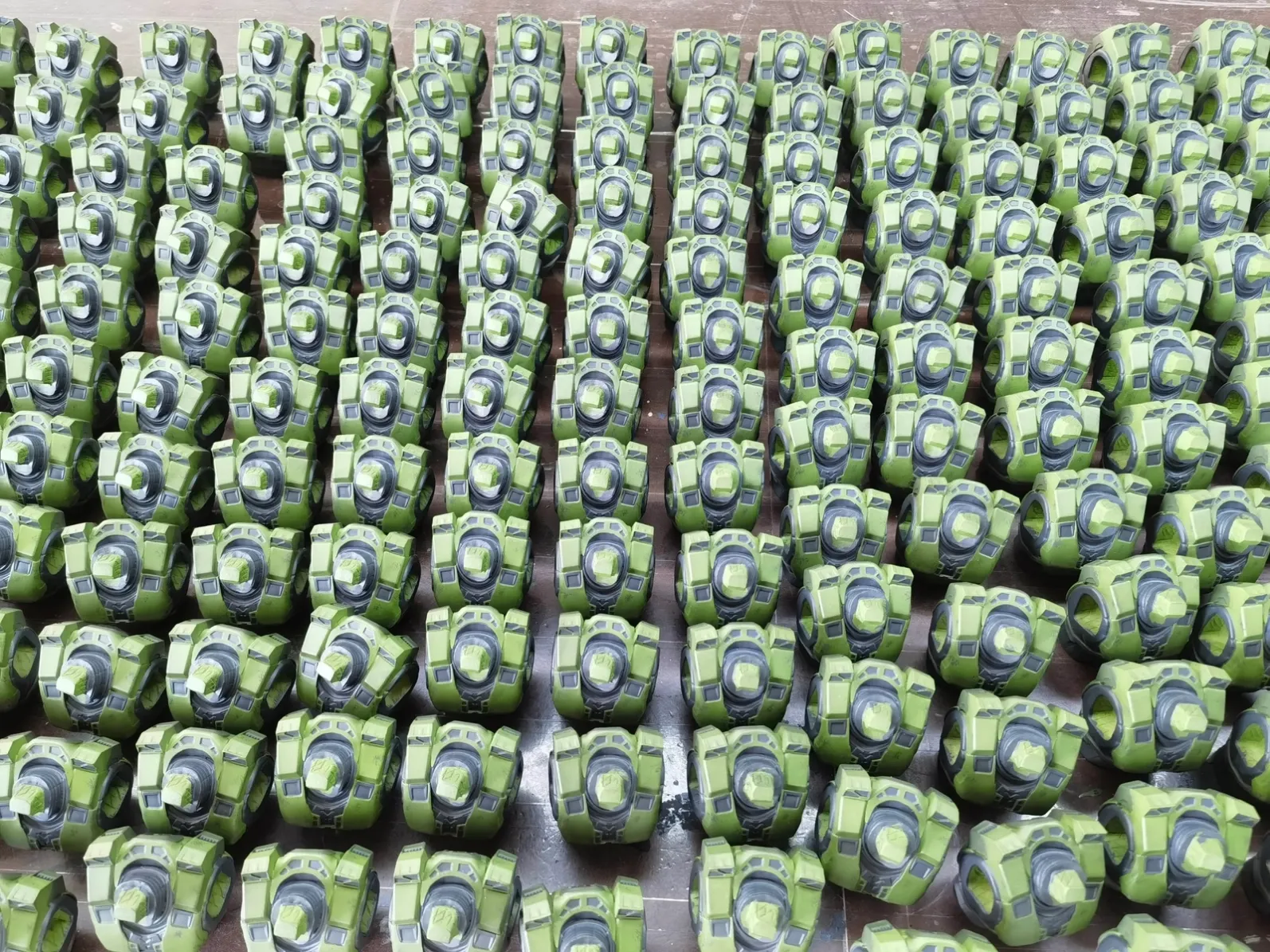
Assess painted collectible parts for the actual handling, fixture and contact demands of assembly rather than relying only on a dry-looking surface.
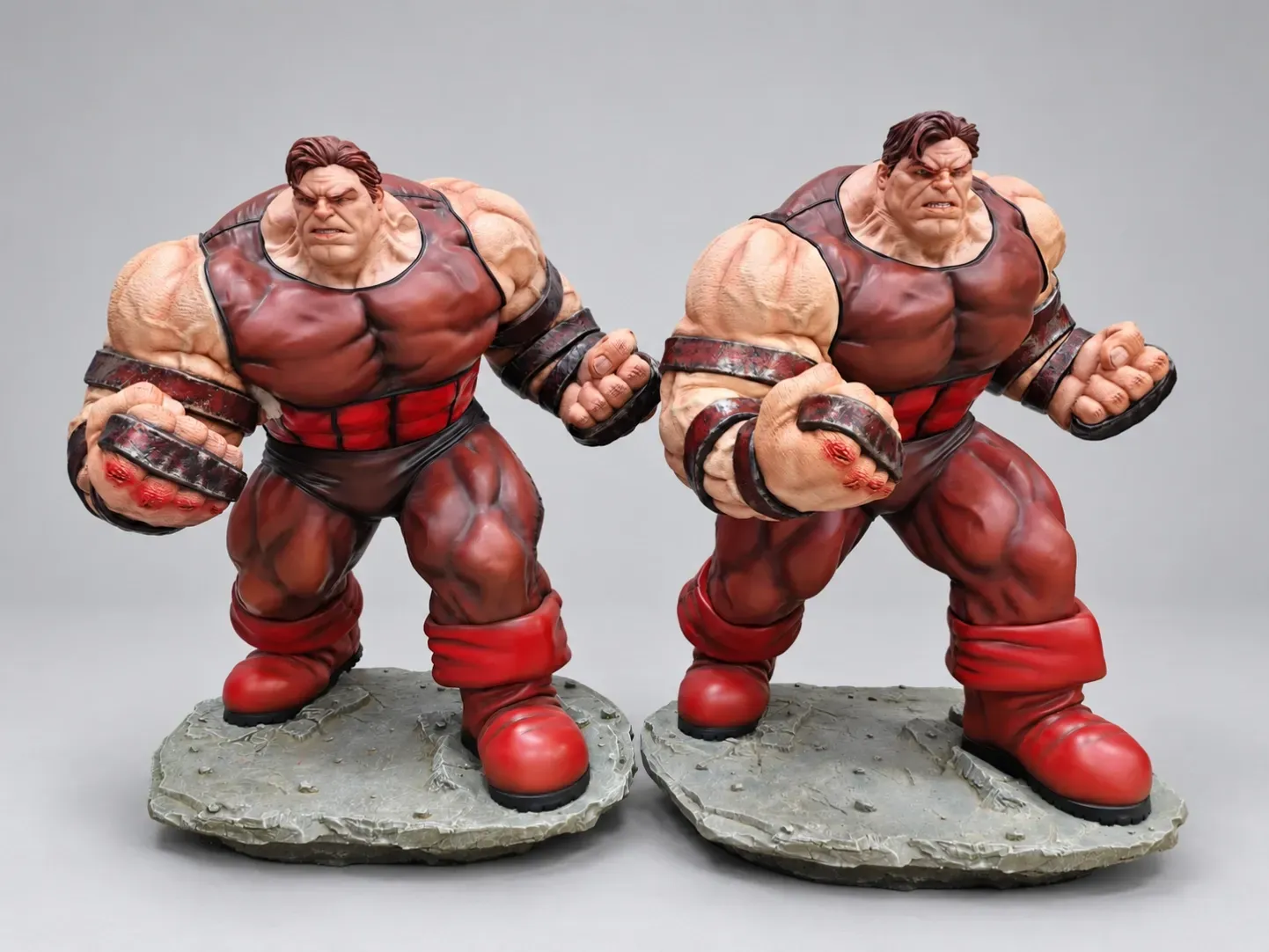
Photograph collectible samples with repeatable views, consistent lighting, clear revisions and a defined scope for each approval decision.
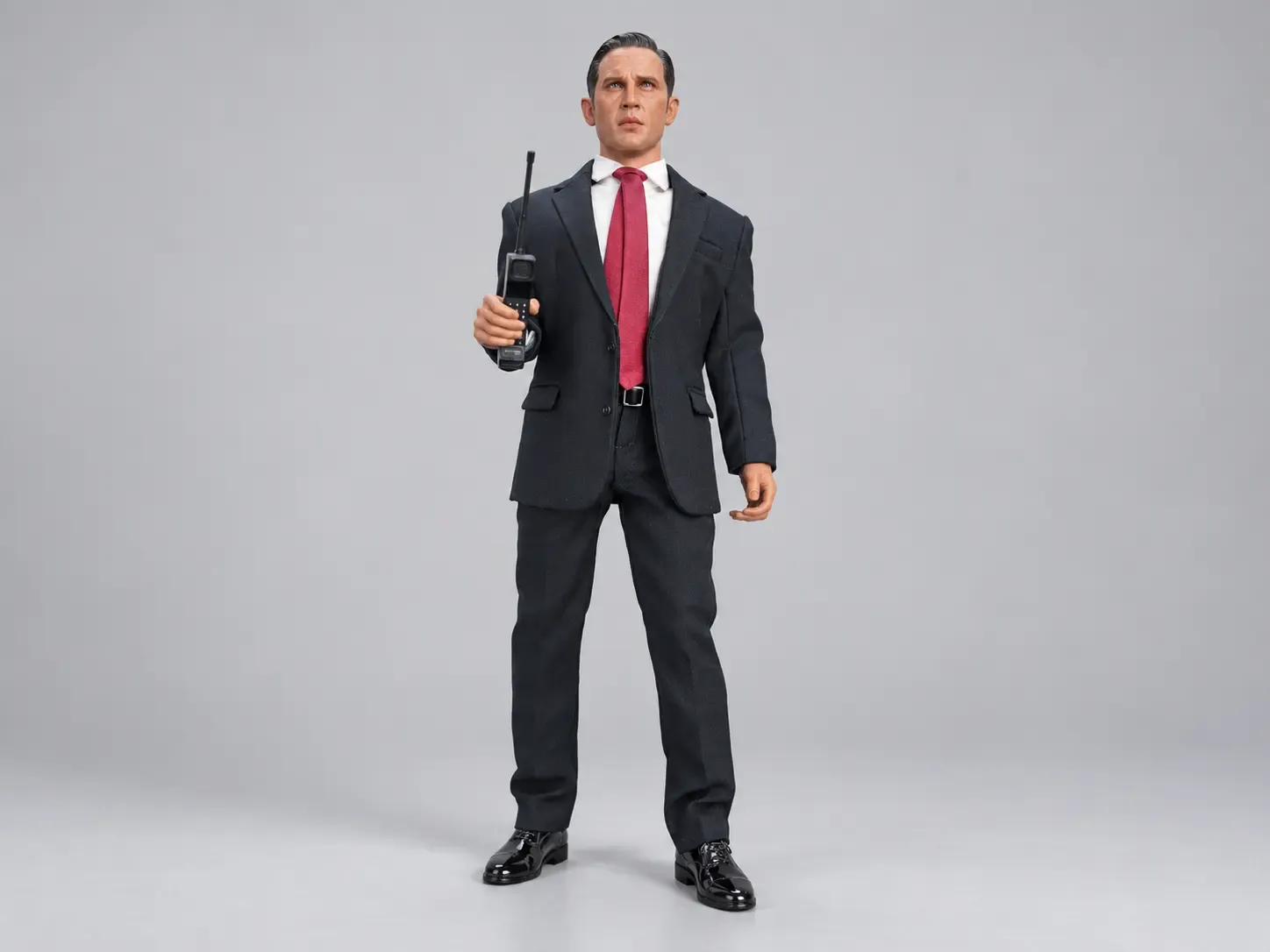
Review dye transfer risk in 1/6 figure clothing using actual fabrics, receiving surfaces, rubbing evidence and defined contact conditions.
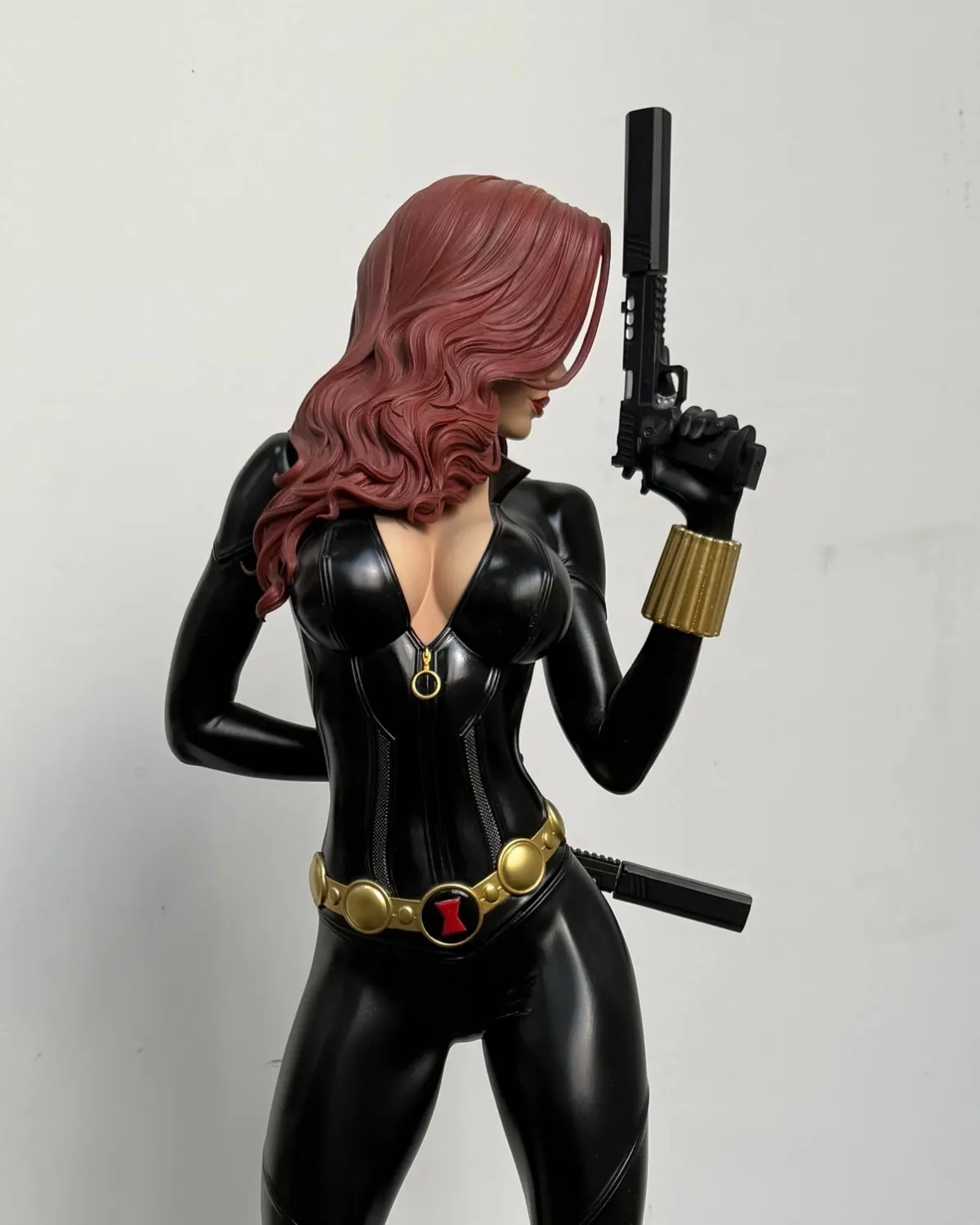
Choose rooted or sculpted hair around the hairstyle, handling, costume clearance, unpacking experience and a reproducible approval reference.