
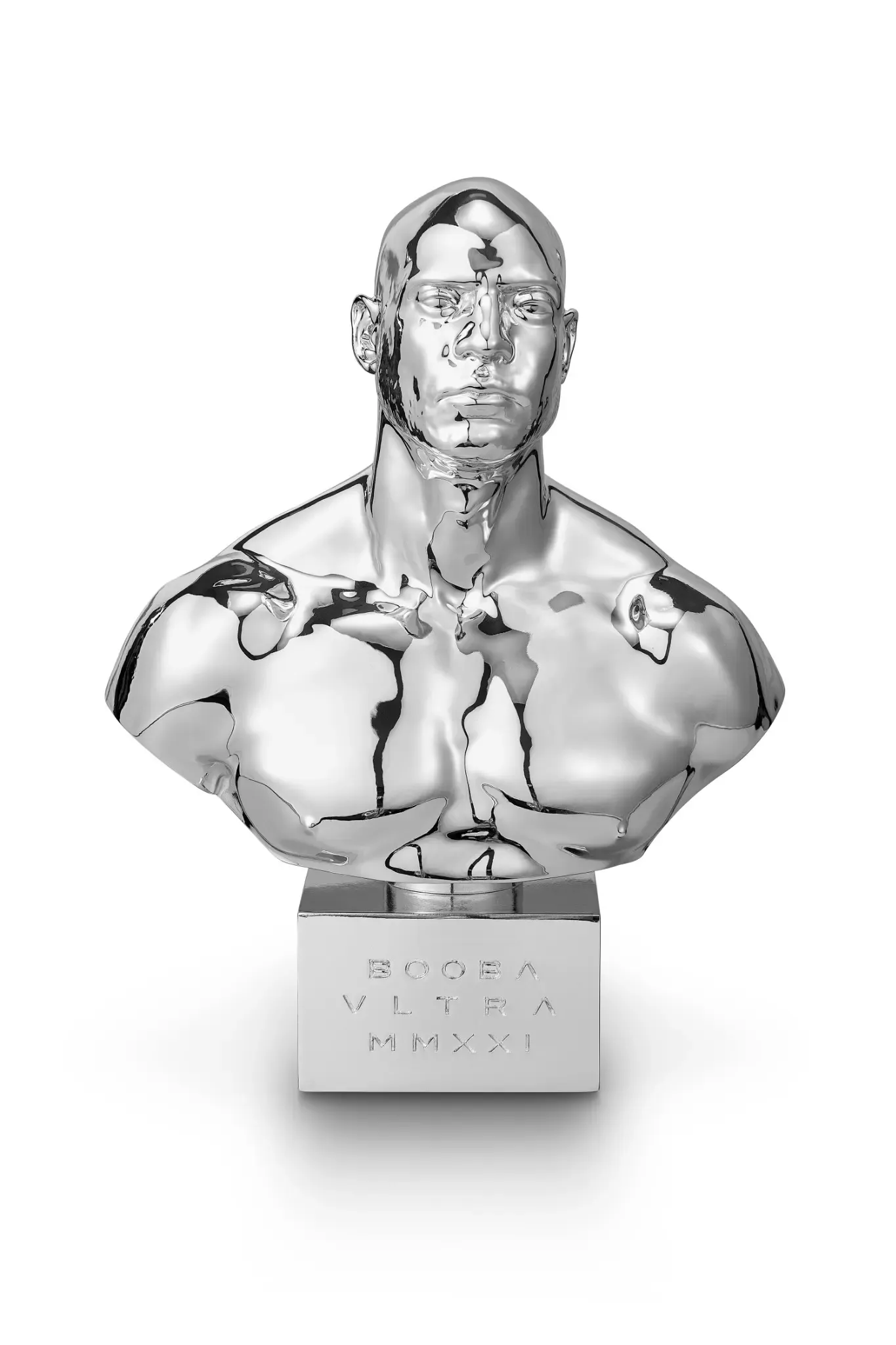
Where Should a Collectible Bust End?
Define a collectible bust’s cut line around portrait focus, costume details, shoulder and chest boundaries, finished edges and the transition to its pedestal.
MANCHENG INSIGHTS
Practical guides on materials, engineering, prototyping, production and quality control for collectible product teams.
Define a collectible bust’s cut line around portrait focus, costume details, shoulder and chest boundaries, finished edges and the transition to its pedestal.

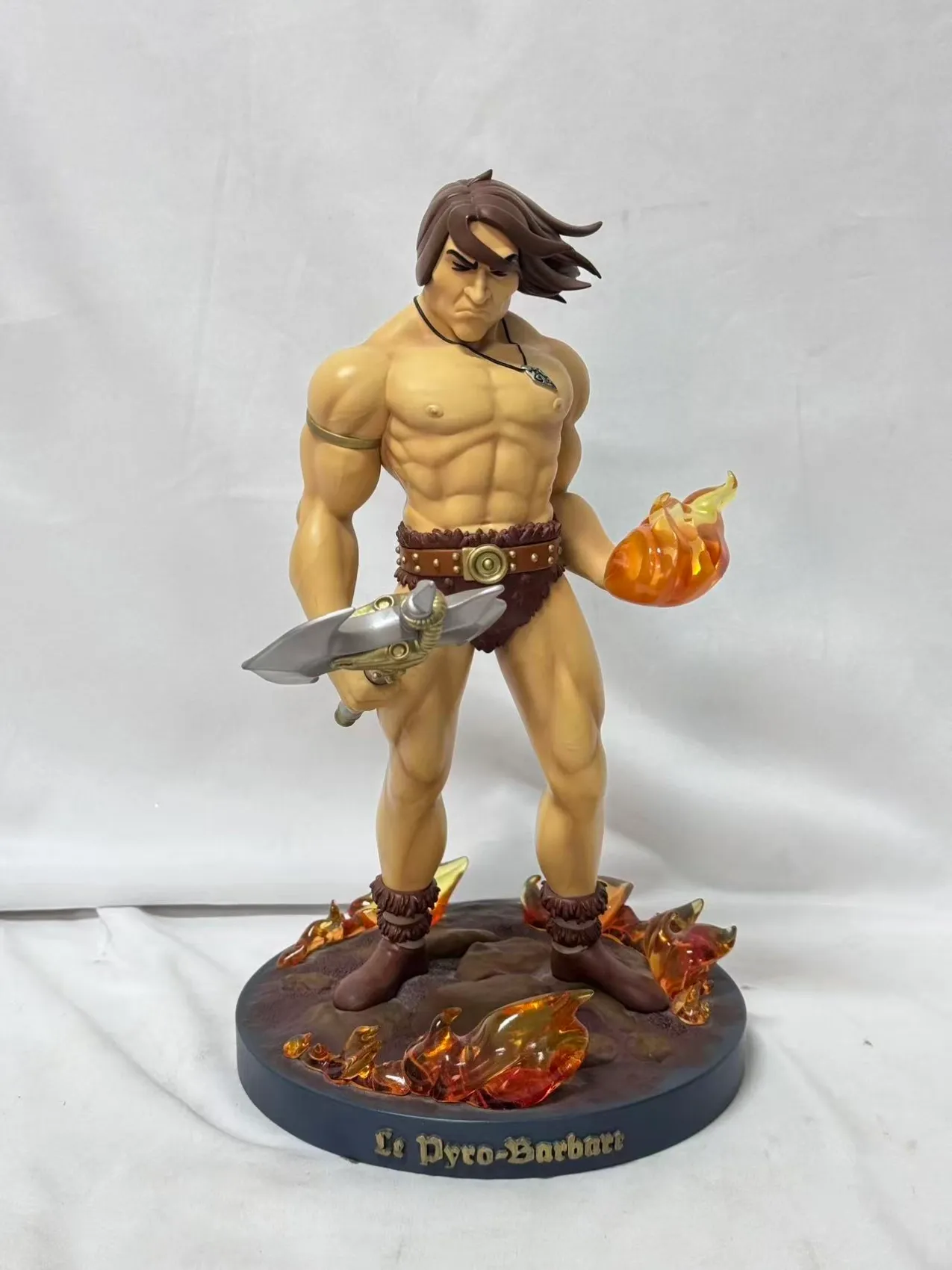
Preserve a stylized character in a 3D collectible by defining its proportion system, separating graphic effects from volume and reviewing expression at product size.
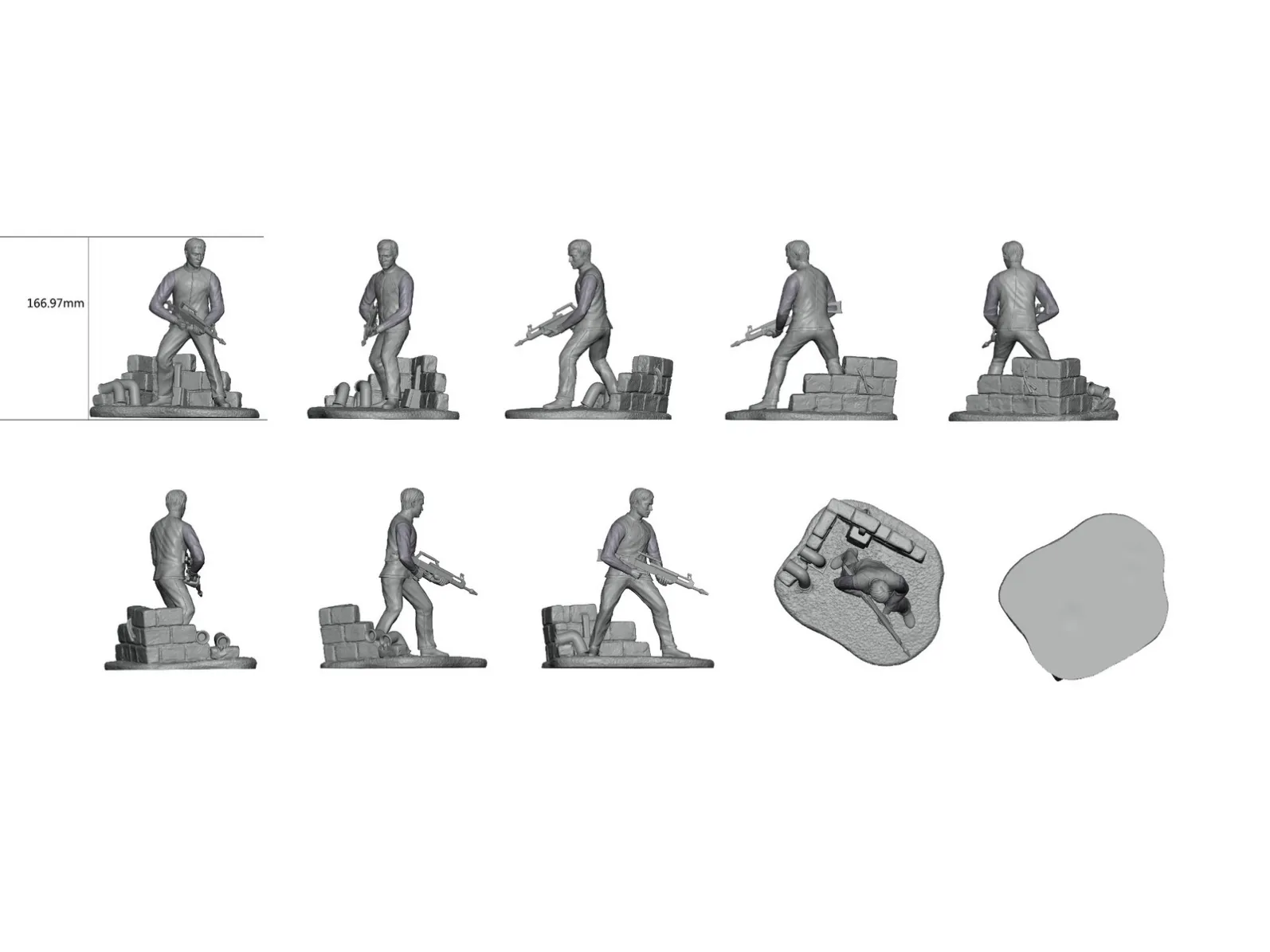
Approve small collectible lettering by checking the artwork, true-size layout, surface geometry, placement, contrast and a representative finished result.
Consolidate collectible sample feedback into one resolved revision brief, with clear review scope, decision owners, conflicting comments and open questions.
Define collectible sound playback with an identified audio list, clear button behavior, interruption rules and agreed responses to power changes before sample approval.
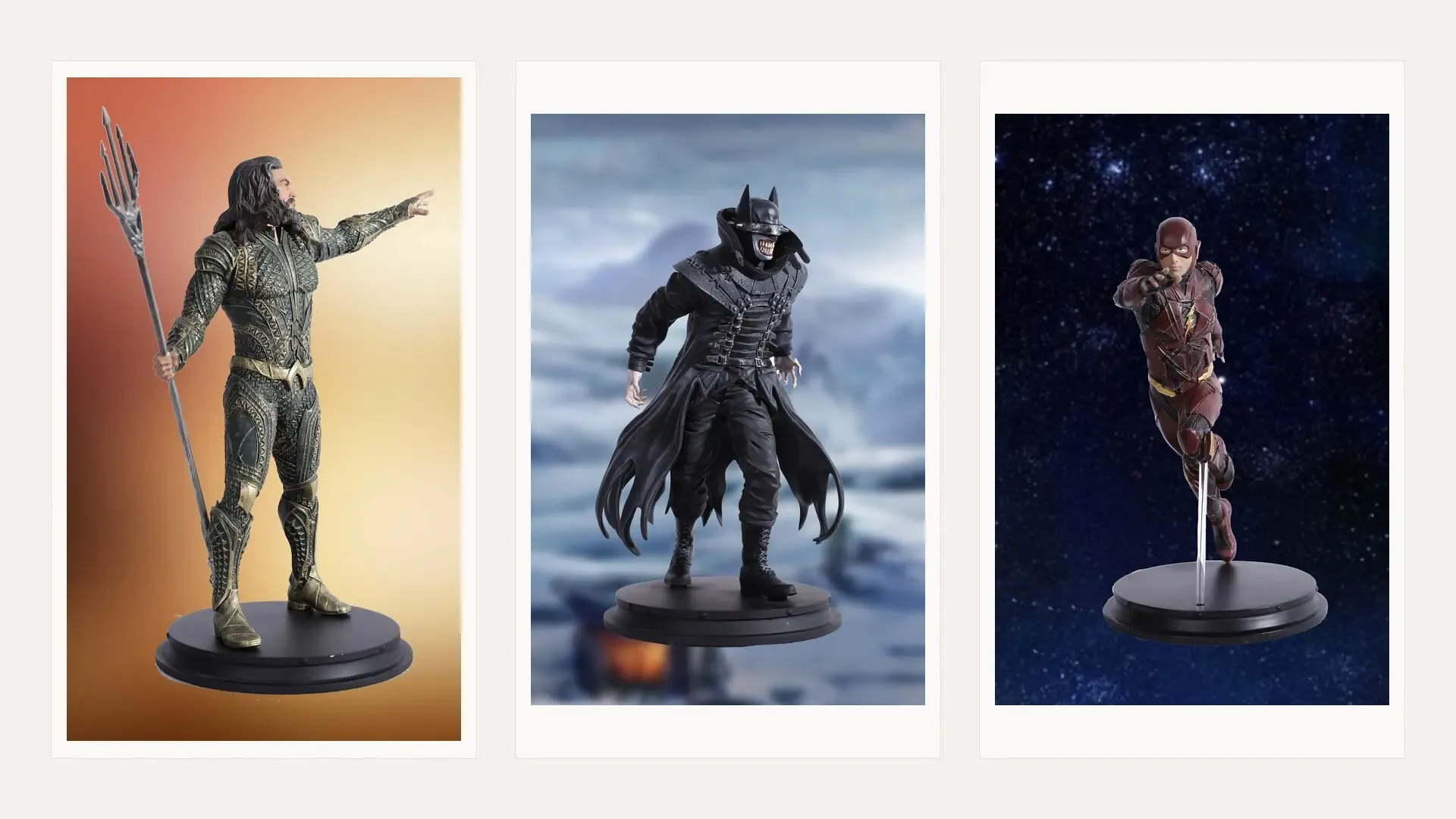
Coordinate display bases across a collectible series by defining shared visual rules, display relationships and intentional exceptions before approving each release separately.
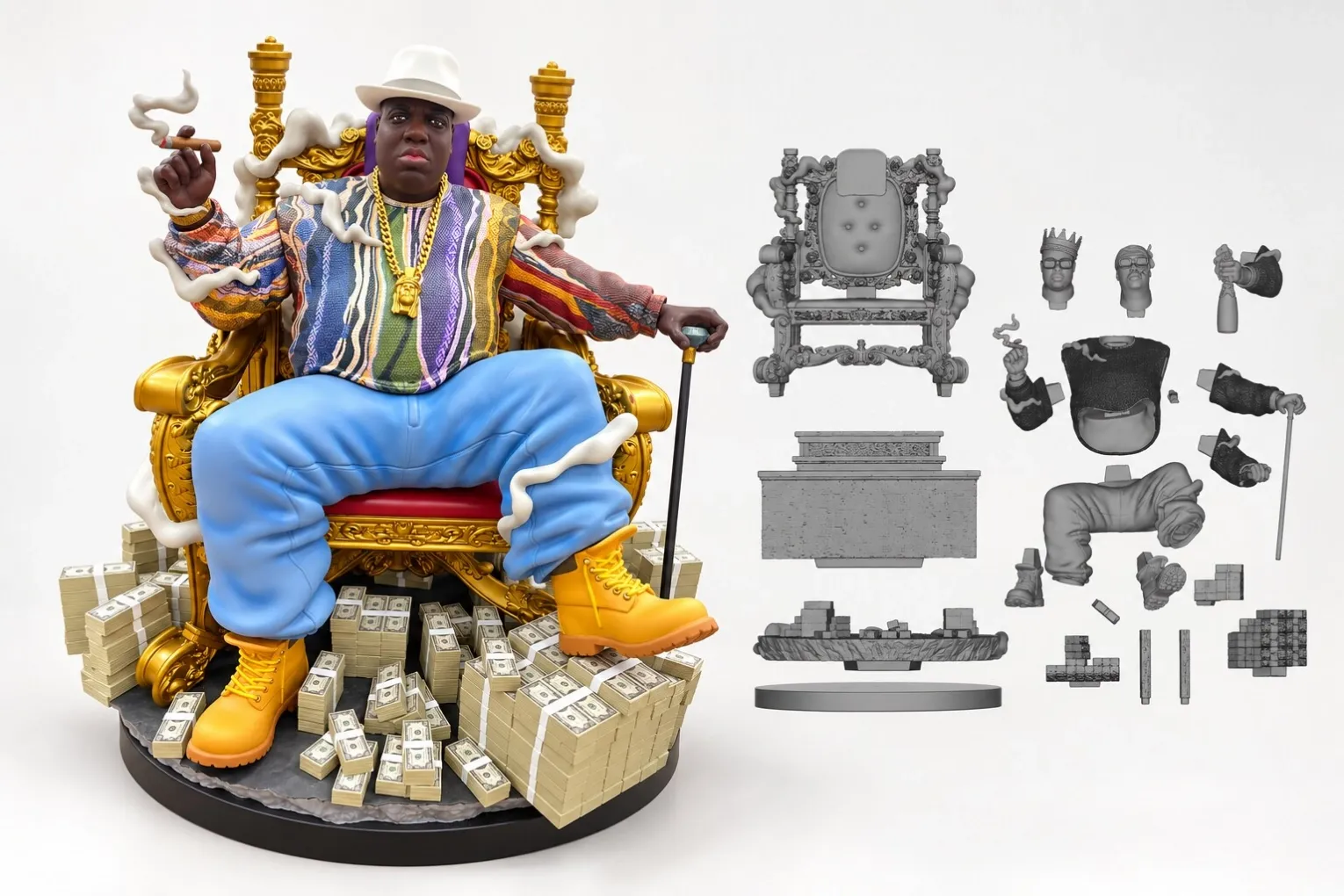
Write collectible care instructions around the actual finishes, fabrics, removable parts and functions, with clear handling limits and a reviewed owner routine.
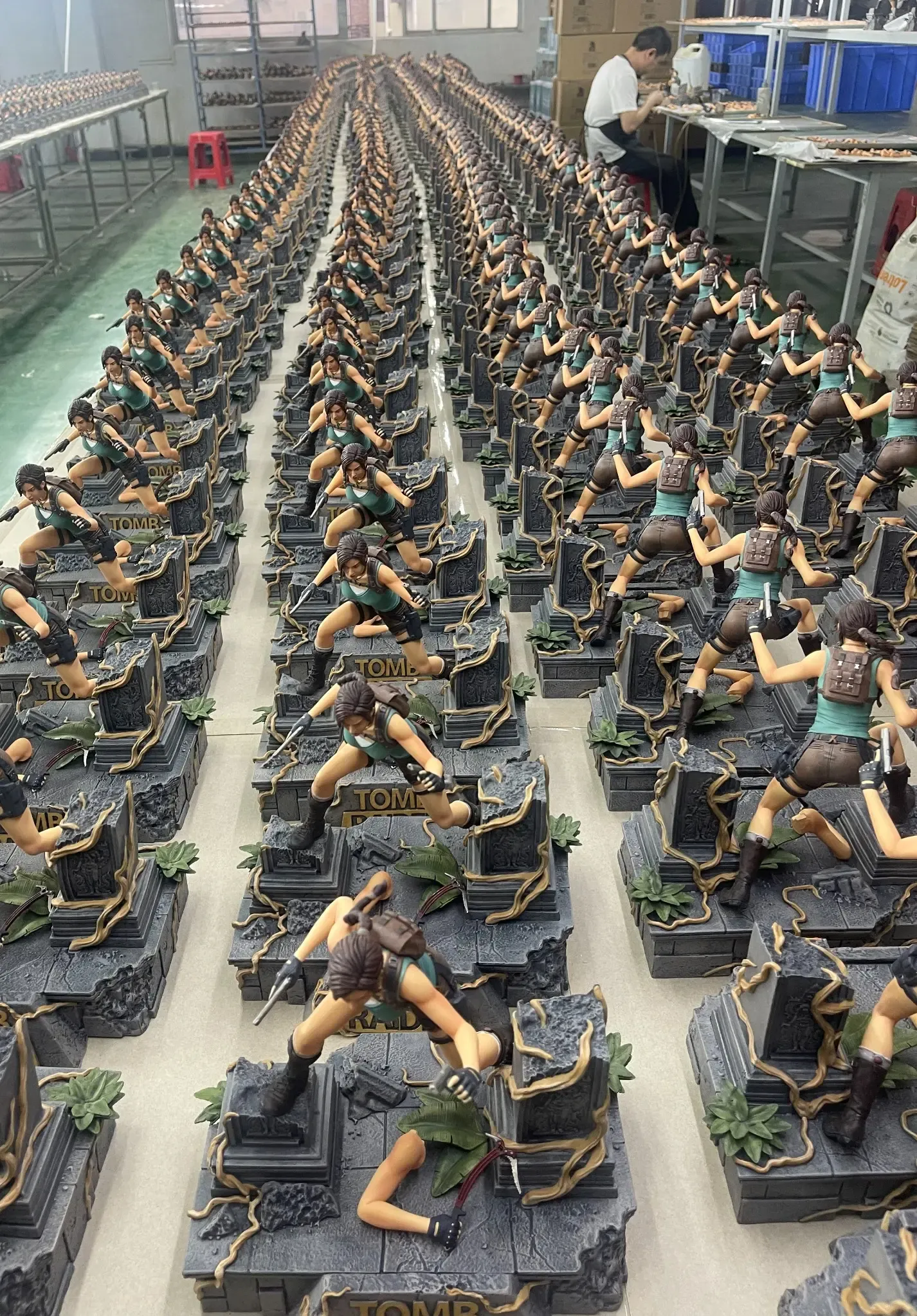
Before reordering a collectible, reconfirm the approved revision, tooling condition, materials, finish references, packaging and changes since the first production run.
Plan edition numbering by defining what is numbered, how certificates match the product, and how duplicates, replacements and packing records are controlled.
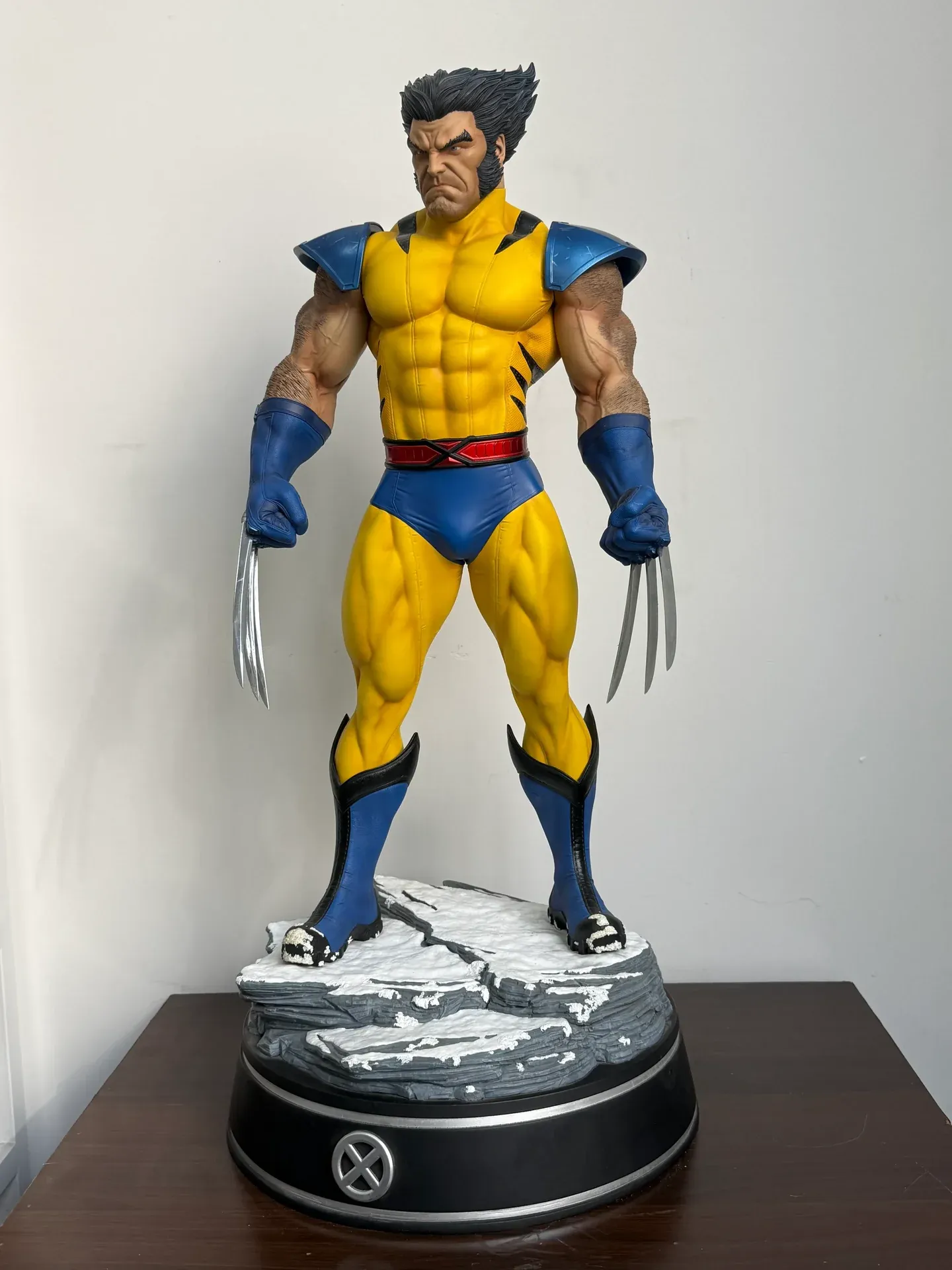
Approve a collectible statue pose by reviewing its silhouette, balance, expression, viewing angles, accessory relationships and physical production consequences together.